
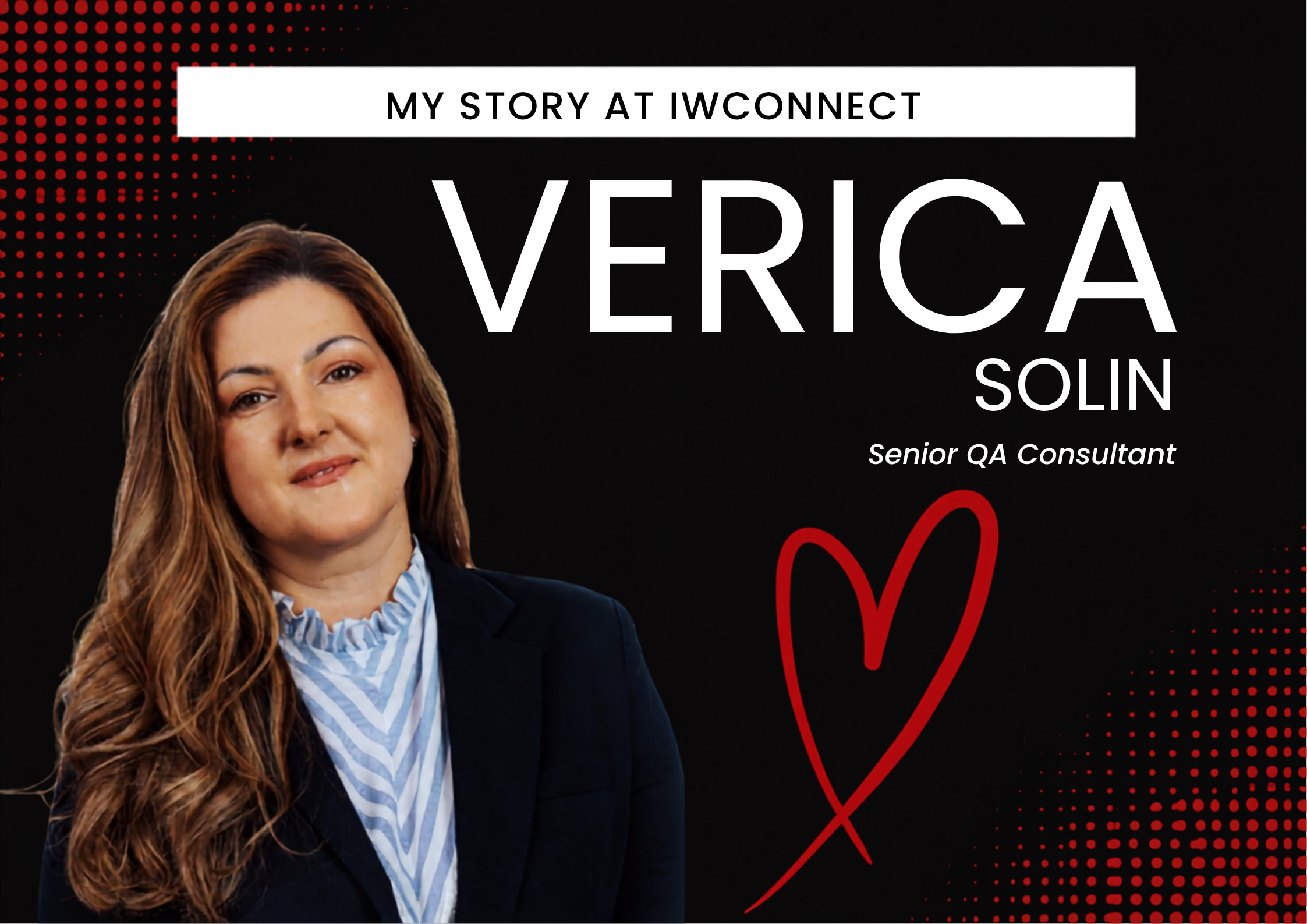
On October 7, Verica Solin steps onto the SEETEST 2026 stage in Ljubljana to talk about the future of QA.
Before the session, we sat down with her for a different kind of talk. How does a telecom student end up in testing? What did 15 years teach her about quality? And why does AI make her more curious than worried?
“QA professionals need to be ready for a wider role.”
An accidental start in QA
Verica got into QA almost by accident. She studied Electronics and Telecommunications. Then she saw a job testing billing systems at a telecom firm. The word telecom sounded like what she’d studied, so she applied. She expected to build networks. She ended up testing software instead, and never looked back.
“I quickly discovered I really enjoyed finding problems, thinking through different scenarios, and understanding how systems work,” she says. “That accidental first step became my career in QA.”
Fifteen years later, that career spans quality engineering, test automation, QA leadership and a stretch in Product Management. She has worked in e-commerce, insurance, IoT and telecom.
What “quality” actually means
Every role taught Verica that quality means something different to each group. Business wants one thing, product another, development a third. She’s seen the same feature judged four different ways. Her job is to weigh all those views, then rank them honestly.
One question outranks the rest.
“I think the most important question is: what does quality mean to the user?” she says. “Because if the user doesn’t see the value or doesn’t have a good experience, we haven’t really achieved quality.”
That view didn’t come from a textbook. It came from switching seats. Time in Product Management showed her how quality looks from the business side; QA leadership showed her how teams actually deliver it.
No typical day, and that’s the point
There’s no typical day in QA, and Verica likes it that way. Her mornings start with automation results and a triage. What needs attention first? What can wait?
After that, the day depends on where she can add the most value. That changes all the time.
“It requires a mix of technical skills, problem-solving, communication, and collaboration,” she says. “I work closely with developers, product people, and other QA colleagues.”
Working across four industries shaped how she starts every new project. “I don’t just focus on whether a feature works. I try to understand the business, the users, how the different parts of the system connect, and where the real risks are.”
Each industry brings its own problems. That range lets her adapt fast and ask the right questions early.
Building something in Novi Sad
Verica joined IWConnect for the culture and the chance to help grow the new Novi Sad office. She liked the idea of joining something still taking shape and helping it grow. What surprised her most came after she signed.
“The culture actually lives up to what I saw during the hiring process,” she says. “The openness, willingness to help each other, and the fact that people are genuinely approachable.”
That human side shows up in how teams work. “People are approachable, supportive, and comfortable sharing their opinions, which makes collaboration feel very natural. I really value that you can be yourself.”
Her advice for anyone starting a QA career here is direct: “Step up, get involved, and use your critical thinking. Be curious, work with your team, and don’t be afraid to ask questions or challenge things.” Mistakes included. “Mistakes are part of learning and growing.”
Step up, get involved, and use your critical thinking.
Where AI takes QA next
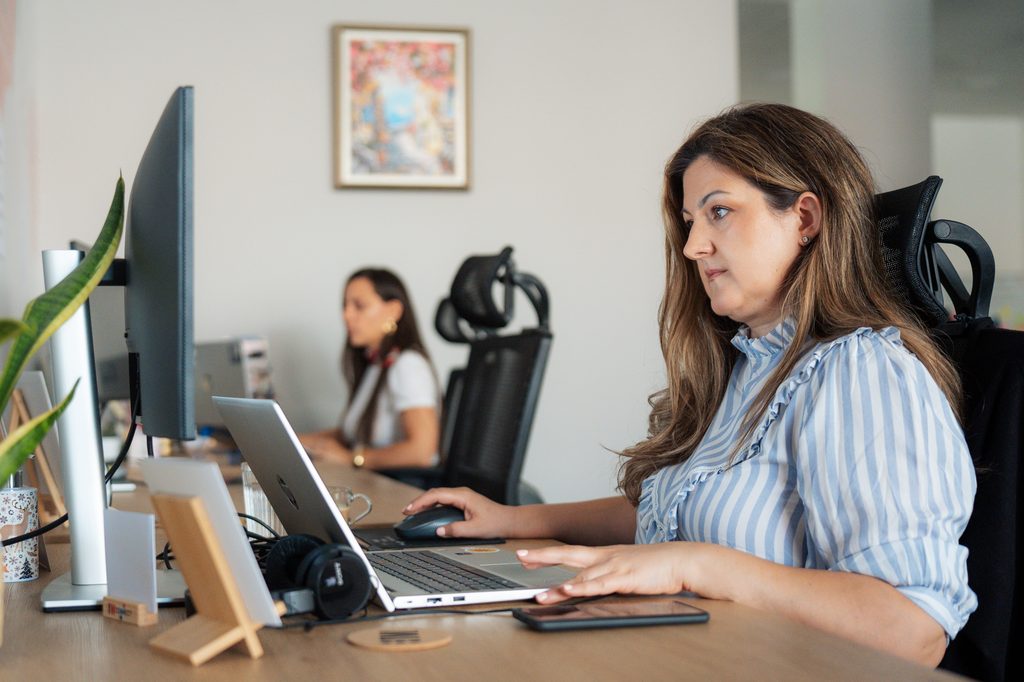
Verica sees AI making the scope of QA broader, not smaller. More automation is coming to testing, and she welcomes it. The bigger shift is what it asks of the people.
“AI will bring more automation into testing, but it will also require QA to become more involved in the product, the data, and the way AI-driven features behave,” she says. “QA professionals need to be ready for a wider role, combining stronger technical skills with deeper product understanding.”
It’s also what keeps her curious after 15 years. Right now she’s exploring AI orchestration: how different AI agents and tools can work together to support QA, while keeping the right level of control. She’s also trying Robin for test automation. She wants to see how AI changes the way automated tests get built and maintained.
“There’s always something new to learn and a new way to improve how we work.”
That is exactly the territory of her SEETEST session.
See Verica at SEETEST 2026
Verica speaks at SEETEST 2026 on October 7, from 16:05 to 16:40, in Ljubljana and online. Her session, “Evaluation Prompts: The Future of QA,” tackles a question more QA teams face every month: how do you test a system that doesn’t always give the same answer?
If her story tells you anything, it’s that she’ll treat it the way she treats all her work. Understand the business. Find the real risks. Then ask the right question.
Register for SEETEST 2026 and catch her session live.