
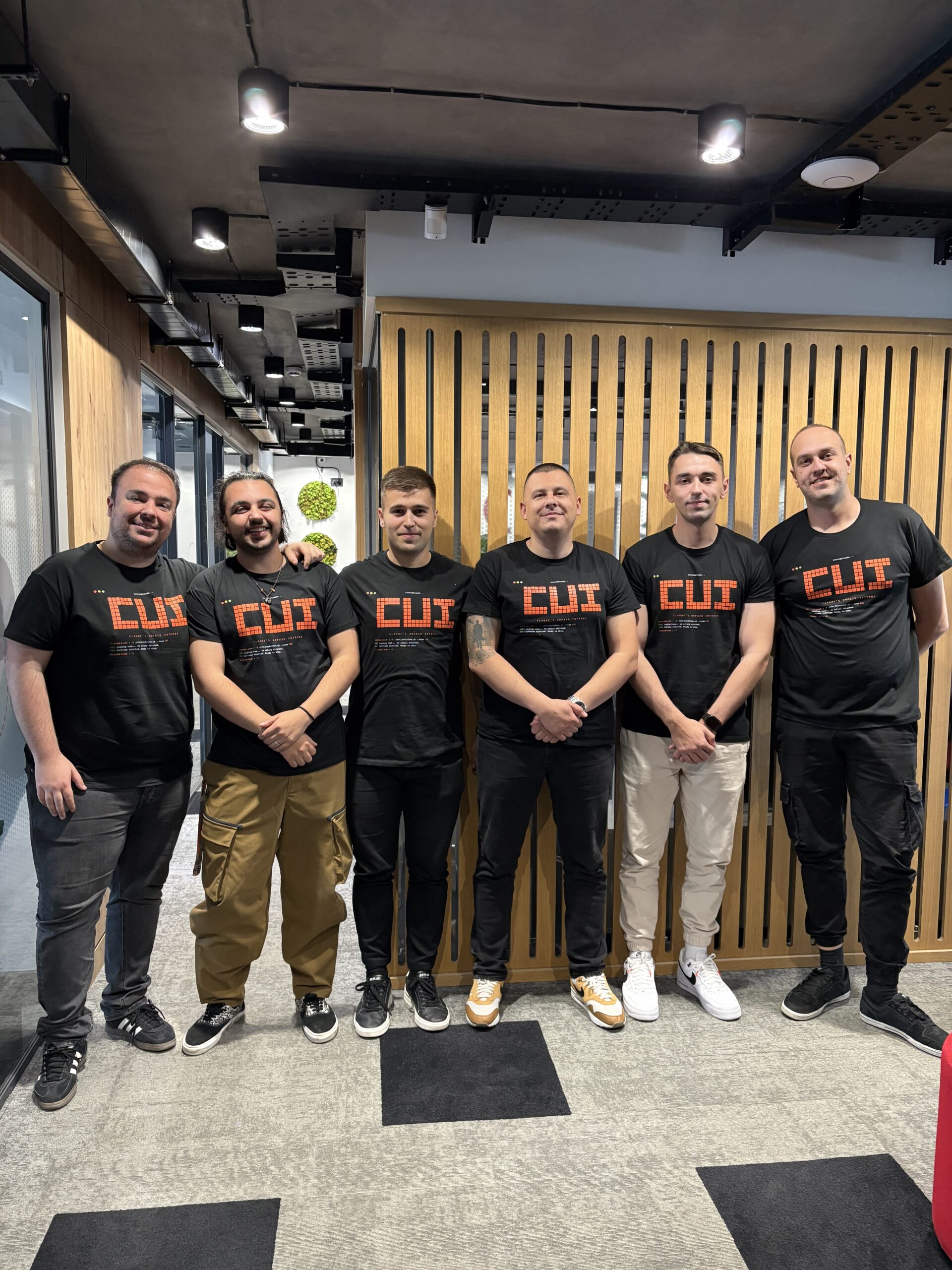
Every hackathon ends with winners. The best ones leave participants with something even more valuable: experience they’ll bring into every project that follows.
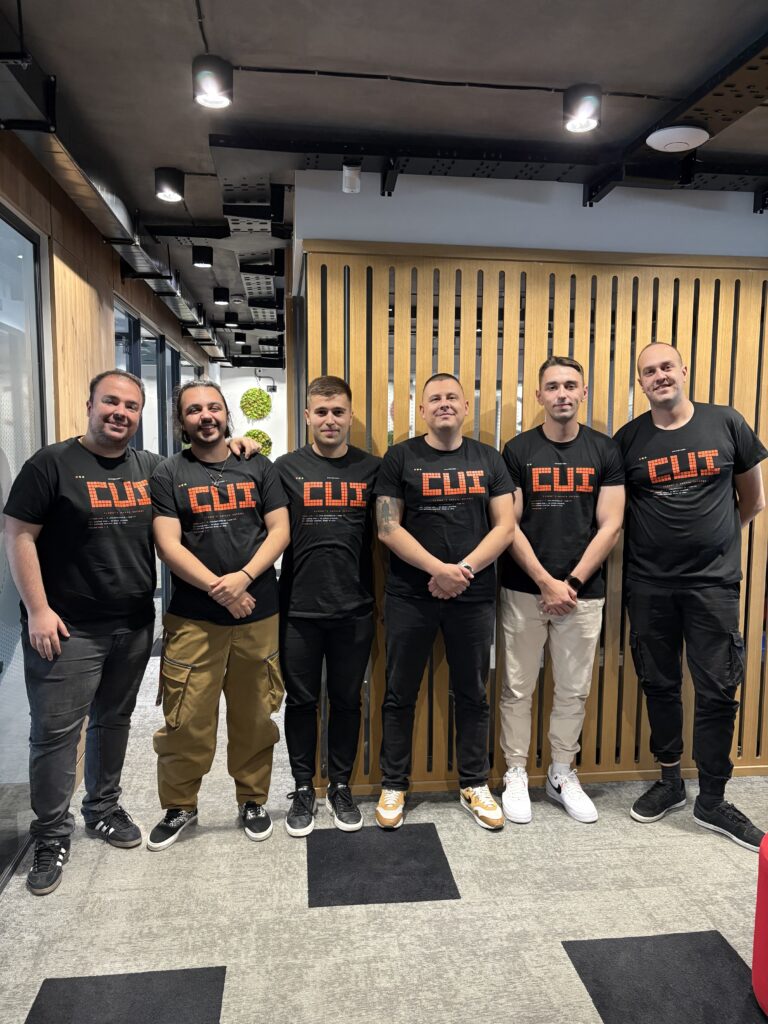
AI Code Connect 3 once again brought together people eager to experiment with new technologies, challenge their ideas, and build practical AI solutions under tight deadlines.
Among them was Claude’s Unpaid Interns, a team that secured third place by combining technical expertise, previous hackathon experience, and something equally important – complete trust in one another.
Unlike teams that spend valuable time defining responsibilities, they relied on something they had already built long before the competition started: knowing how each person works, communicates, and contributes best. That trust became one of their biggest advantages.
Built on Trust, Not Job Titles
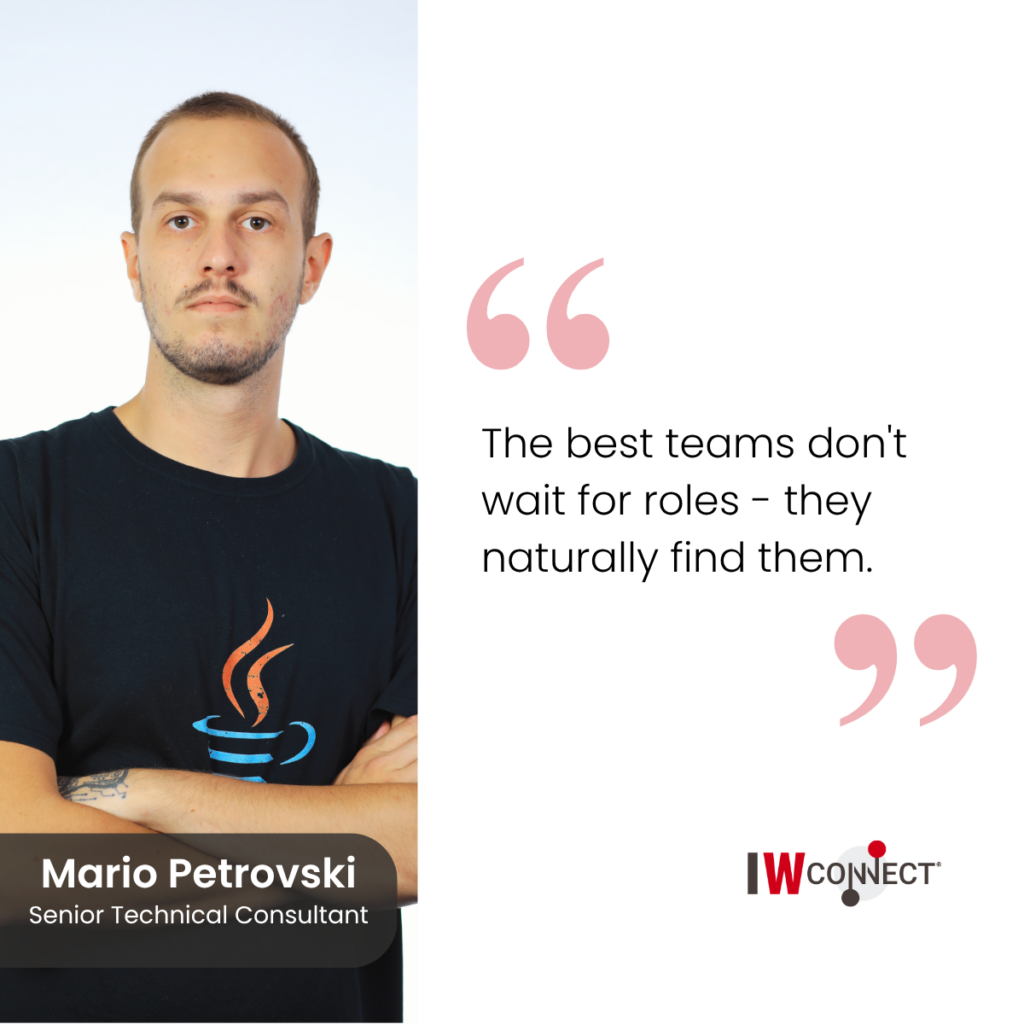
Mario Petrovski, Senior Technical Consultant in Java
How did your team organize roles and responsibilities under pressure?
We didn’t really split into strict roles. Since we’ve worked together before, we already know each other’s strengths and weaknesses, so things came together pretty naturally. Everyone focused on the areas where they could contribute the most, but at the same time we all jumped in wherever help was needed. The constant communication and willingness to support each other made it easy to keep moving forward, even when time was limited.
If you weren’t a developer, what career would you choose and why?
I’d probably choose music production. I’ve always been passionate about electronic music, and there’s something special about turning an idea into a piece of music that people can connect with and enjoy. I like that it blends creativity, technology, and continuous learning, so in many ways it offers the same things I enjoy about software development, just in a different form.
Why Experience Matters
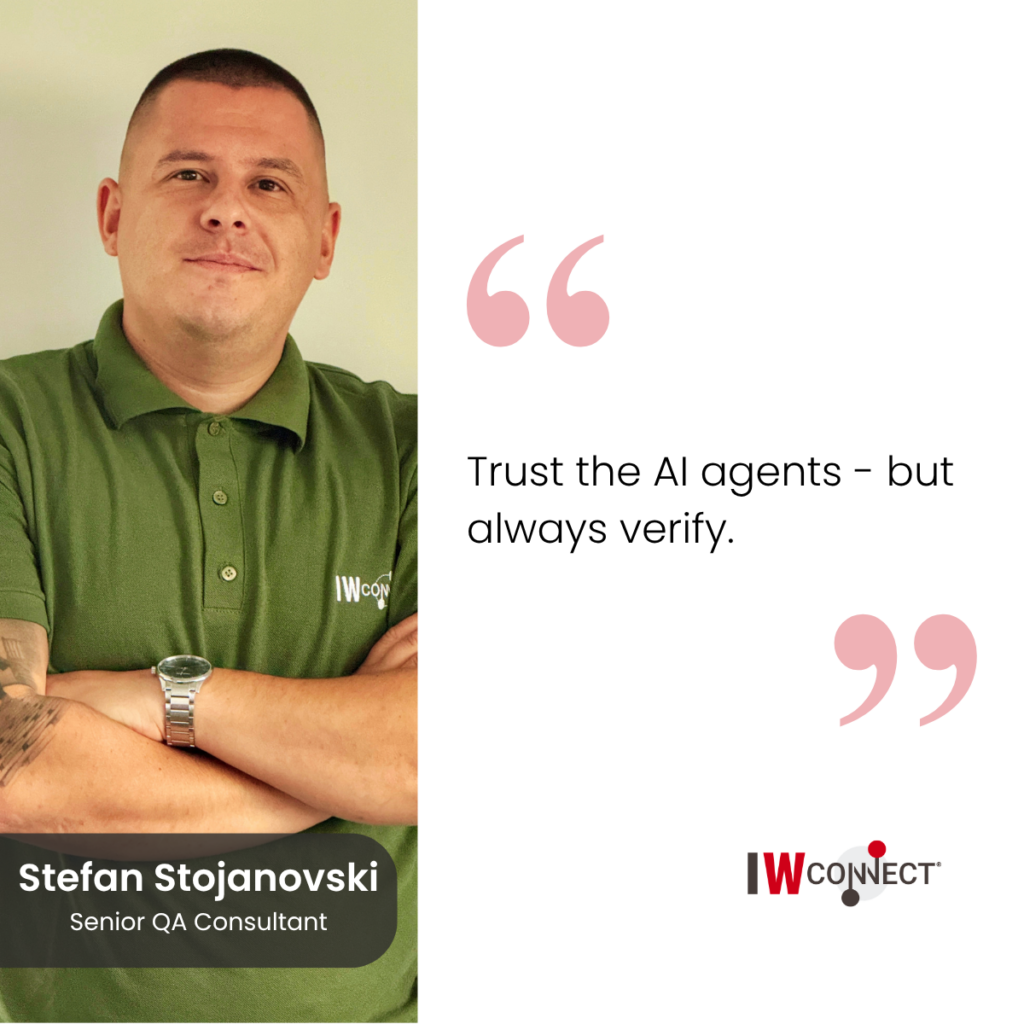
Stefan Stojanovski, Senior Technical Consultant in QA
What motivated you to join the Hackathon for the second time?
The first hackathon got me hooked on the energy, the creativity, and the chaos. With AI evolving so fast, I had to come back and see how much further we could push it.
If your job were a video game, what would the main quest be?
Same kingdom, new enemies. AI agents are joining the team, so my quest is to make sure they don’t go rogue before reaching production. Trust but verify. The guardian never sleeps.
Every Challenge Leaves a Lesson
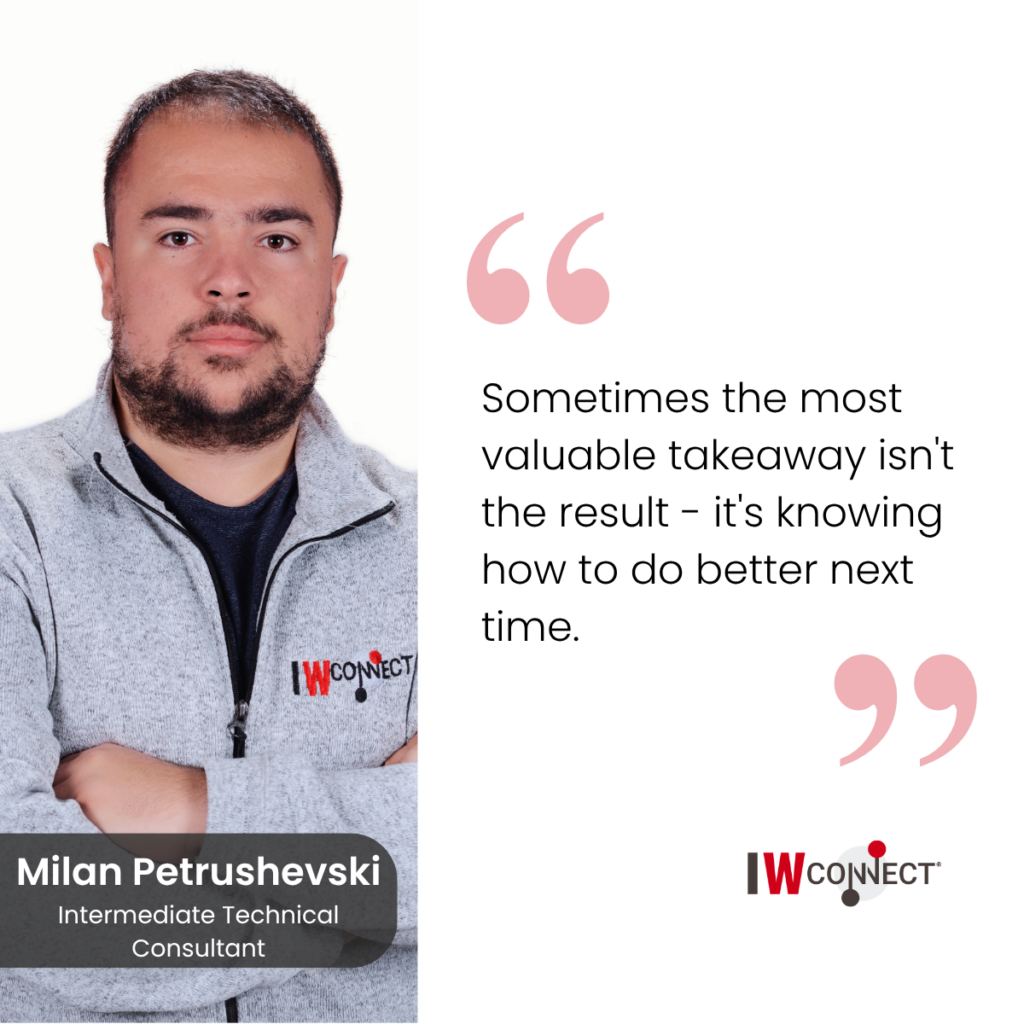
Milan Petrushevski, Intermediate Technical Consultant in Java
Looking back, what would you do differently if you were to participate again?
We finished 3rd – we expected more, but that gap is probably the most valuable thing I’m taking away. If I could do it again, I’d balance the technical work with more focus on storytelling and presentation, and lock down our core idea earlier instead of refining too many things at once.
What book, movie, or podcast recently inspired you?
Lately, I’ve been gravitating toward podcasts – Joe Rogan and the Agelast Podcast are my current go-to’s. If I had to pick a movie that stuck with me, it would be Whiplash – a raw story about the pursuit of excellence that still resonates.
But my biggest inspiration right now comes from outside the tech world entirely. As a proud Partizan fan, I’ve always followed Željko Obradović and Duško Vujošević closely – but what inspires me goes beyond results. Their ability to build winning cultures, the way they motivate people under pressure, and their sheer force of personality remind me that some of the most valuable lessons in teamwork, discipline, and performance can come from the most unexpected places.
Making Time for What Matters
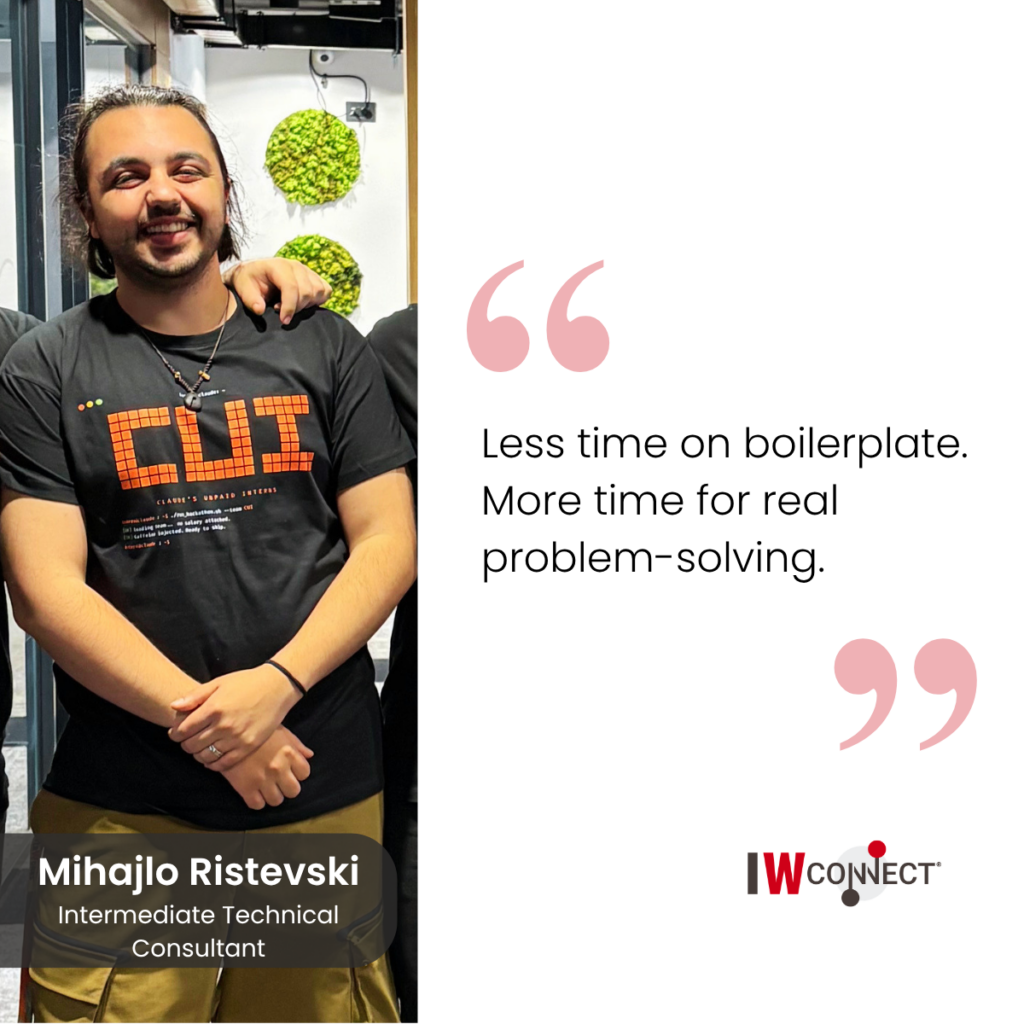
Mihajlo Ristevski, Intermediate Technical Consultant in Java
What surprised you most during the hackathon?
I was surprised by how much faster AI coding assistants made boilerplate work, leaving more time for actual problem-solving and refining ideas. Instead of getting stuck on repetitive tasks, we could focus on the parts that really made a difference for the final solution.
What’s a skill or hobby you’d love to learn if you had more time?
I’d love to learn how to properly cook a specific cuisine – not just following recipes, but mastering the techniques behind it, like French sauces or bread baking. I enjoy understanding how things work from the ground up, whether it’s software or cooking.
Where Hackathons Meet Real Projects
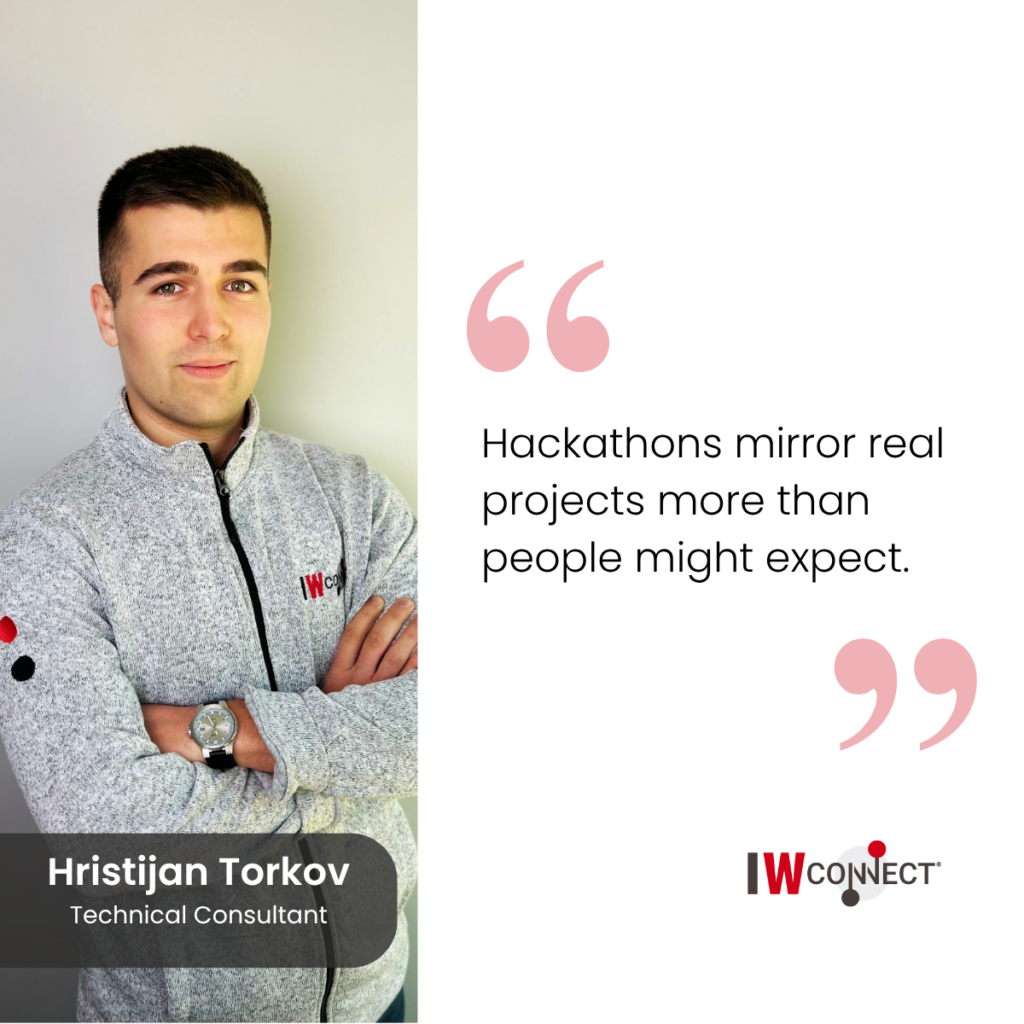
Hristijan Torkov, Technical Consultant in Java
Do you think what we experienced here can be applied in our real day-to-day work? If yes, how?
Absolutely. The hackathon pushed us to collaborate quickly, make technical decisions under time pressure, divide work efficiently, and deliver a working solution – just like we do on real client projects. It was a great reminder that strong communication, adaptability, and trust within the team are just as important as technical expertise.
If your team were a band, which instrument would you play and why?
I’d play the violin, because precision matters, and every small detail contributes to the final result. It may not always be the loudest instrument, but when every note is in the right place, it helps the whole performance come together.
Built to Make a Difference
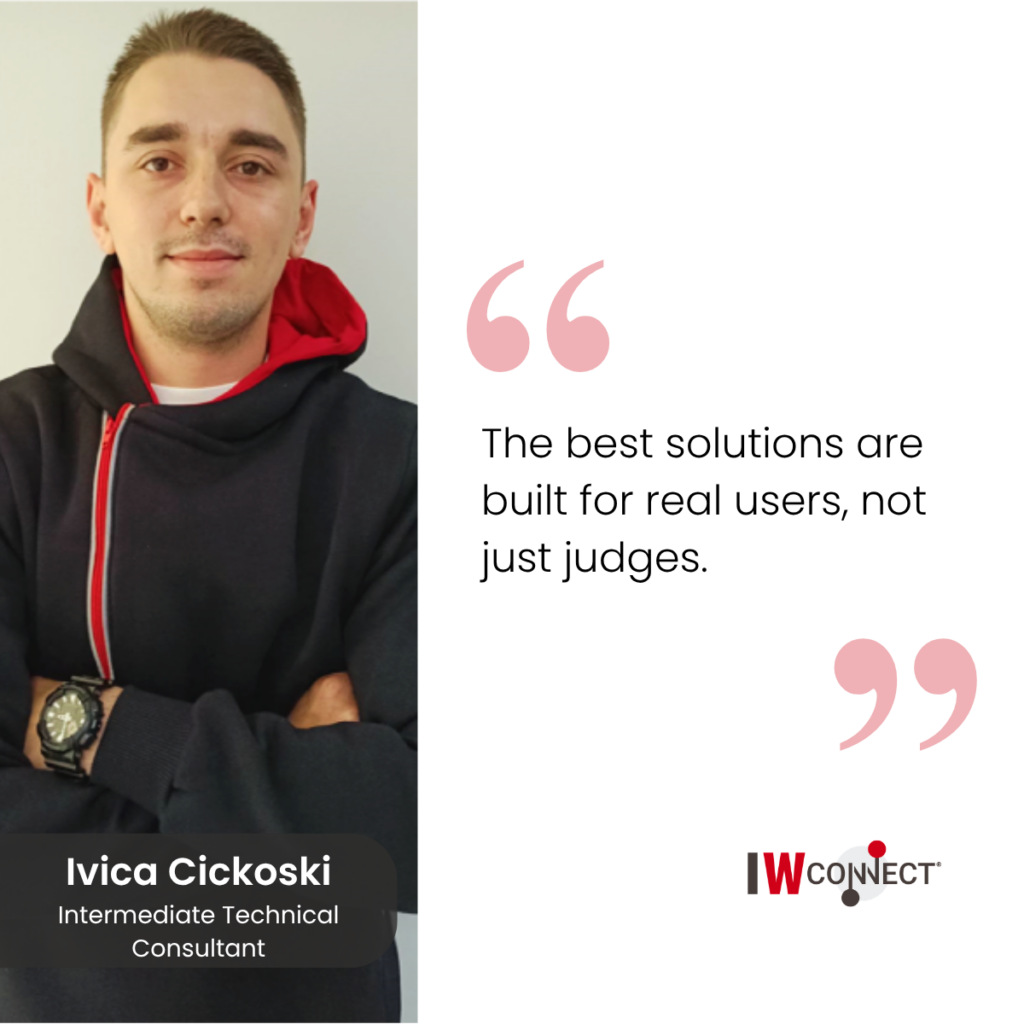
Ivica Cickoski, Intermediate Technical Consultant in Java
Why should your solution exist beyond this hackathon?
Because it’s built for real users, not just judges. From the very beginning, we wanted to create something that could solve an actual problem and continue delivering value long after the competition ended.
What’s a skill or hobby you’d love to learn if you had more time?
I’d love to learn how to properly cook a specific cuisine – not just following recipes, but mastering the techniques behind it, like French sauces or bread baking. I enjoy understanding how things work from the ground up, whether it’s software or cooking.
Every Hackathon Builds More Than Software
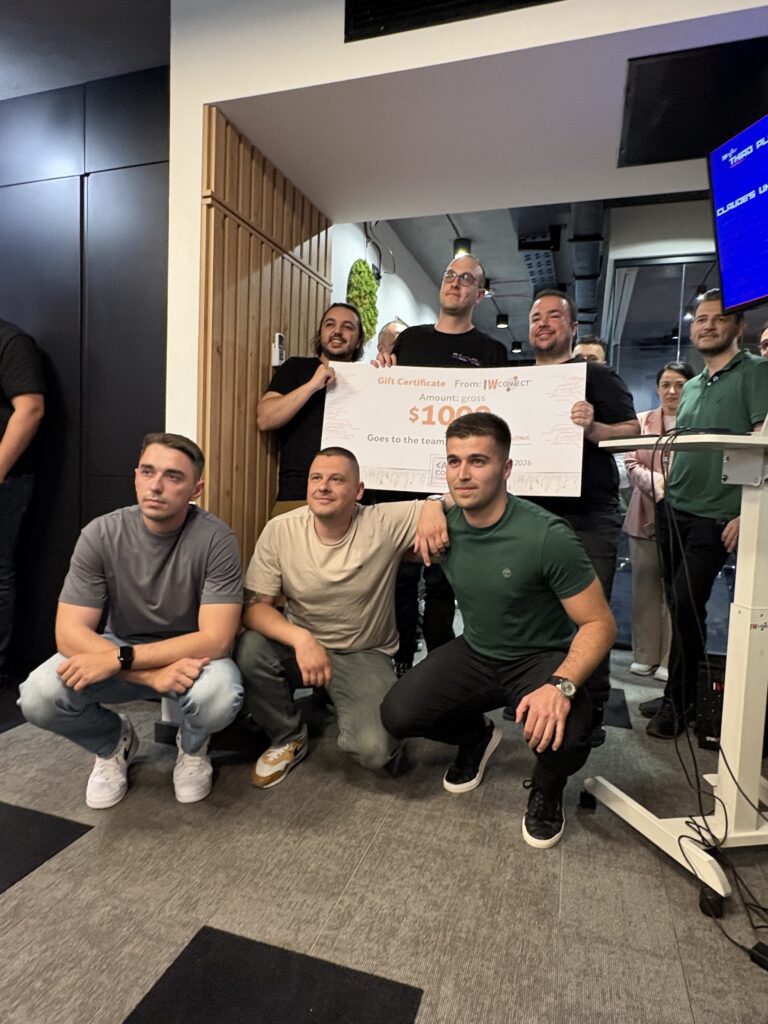
Whether they talked about AI agents, teamwork, presentation skills, or inspiration from completely different fields, every answer pointed toward the same conclusion.
Building successful AI systems isn’t just about choosing the right framework or writing better code. It’s about learning how to communicate, make decisions under pressure, challenge ideas, and continuously improve. That’s exactly why hackathons matter. They create an environment where people can experiment, fail fast, learn even faster, and discover new ways of solving problems together.
For Claude’s Unpaid Interns, third place was just one outcome. The bigger achievement was leaving with new knowledge, stronger collaboration, and an even greater motivation to come back next time.