
Darko Milevski joined ⋮IWConnect in 2019 when the playbook was simple: hire good people, deliver great work, grow steadily. He spent his first years building ⋮IWConnect’s Skopje office from scratch. By the time it was running smoothly, COVID hit.
Remote work wasn’t optional anymore, it was survival. The company that had 170 employees working mostly on-site suddenly needed to operate across six cities and multiple time zones without losing delivery quality. Darko Milevski moved into Operations Chief of Staff to handle the challenge.
Then the AI wave hit. Clients weren’t just asking about integrations anymore, they wanted AI agents, context engineering, automation that actually worked. Competitors who couldn’t pivot started consolidating. Meanwhile, the talent market turned into a war zone. Everyone wanted the same senior engineers, and ⋮IWConnect needed to scale.
Through all of it, ⋮IWConnect grew to 350+ employees. No quality drops. No broken promises to clients. Darko lived through each phase in a different role, delivery unit builder, operations executor, AI transformation lead. Now he’s COO, and the question isn’t just how to scale. It’s how to build operations that can handle whatever breaks next. Because something always does.
This conversation covers what worked, what almost broke, and what most companies miss when they try to double in size while the ground keeps shifting under them.
IWC: When you look back at the last six years at ⋮IWConnect, what are you most proud of – and why?
Darko: If I look back, I would probably describe it as a real journey, sometimes smooth, sometimes quite bumpy. And that’s exactly what made it valuable. ⋮IWConnect is a place that continuously challenges you to grow, to learn, to try new things, and sometimes to fail fast and recalibrate.
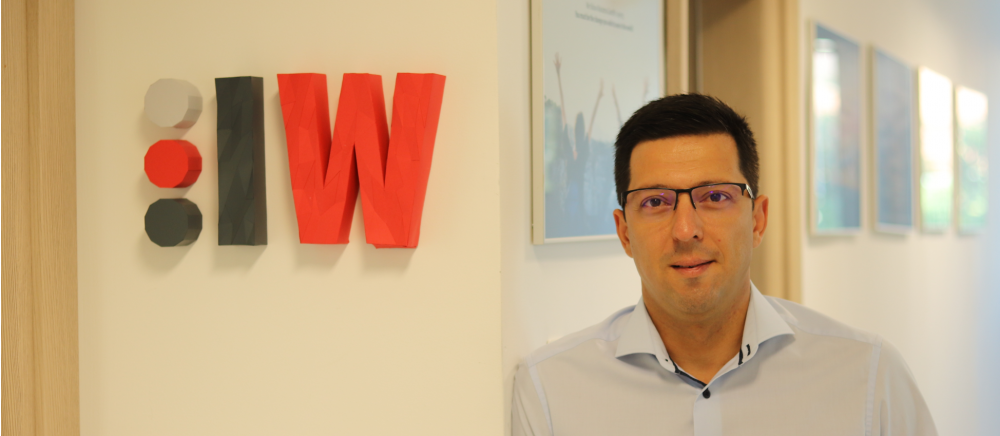
What I’m most proud of is the culture we’ve built together. The values are not just written down, they are lived every day. People support each other, openly collaborate, and at the same time challenge one another to move forward and do better.
On a personal level, ⋮IWConnect had a strong impact on me as well. It strengthened my desire for growth, for learning, and for building an environment where people feel motivated, trusted, and genuinely happy to come to work. Seeing that reflected across the company is something I’m truly proud of.
IWC: You helped build the Skopje office early on. What did that experience teach you about scaling people, delivery, and culture?
Darko: Even though we were building the Skopje office from the ground up, we were not starting from zero. ⋮IWConnect was already a functioning company with established departments, processes, and ways of working. That foundation helped us scale much faster than would normally be expected.
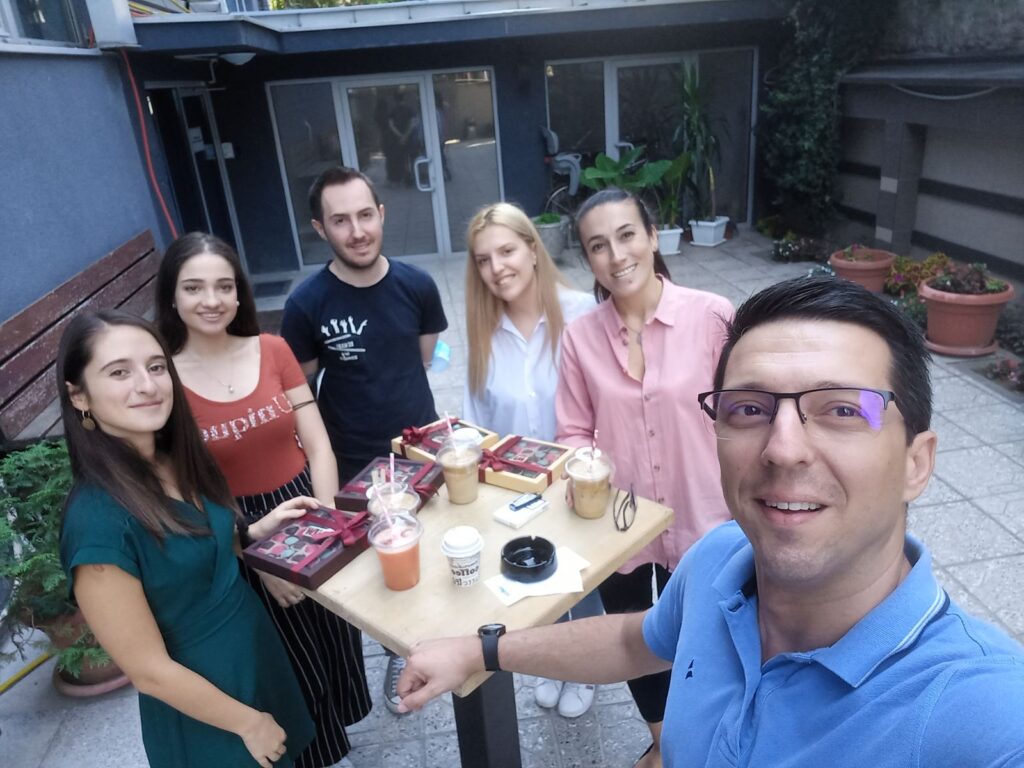
At the same time, it was a demanding and very rewarding journey. We had to bring the ⋮IWConnect brand to the capital, introduce people to who we are, where we come from, and what we stand for. Seeing that grow into one of the most recognized IT brands in Macedonia, the region, and today even globally, is something I’m genuinely proud of.
That experience taught me that building a team that truly wants to work together, collaborate openly, and embrace the cycle of trying, failing, learning, and growing cannot be bought or rushed. It requires sustained effort, dedication, and consistency. Leading by example is critical, because people naturally reflect the behavior, values, and standards they see in leadership and in the organization.
We have always held firmly to our values and principles. In the short term, that can sometimes slow growth or make certain decisions harder. But in the long run, it has clearly paid off. Especially in periods when the IT market faced challenges, this consistency enabled sustainable growth and positioned us as a trusted partner. Our clients value not only the services we deliver, but the trust, reliability, and long-term relationships we have built together.
So for me, the key lesson is simple: consistency and belief in your values do deliver results, but only if you are willing to commit to them for the long run.
IWC: You then moved into Operations Chief of Staff. What was the biggest “operational reality check” you got in that role?
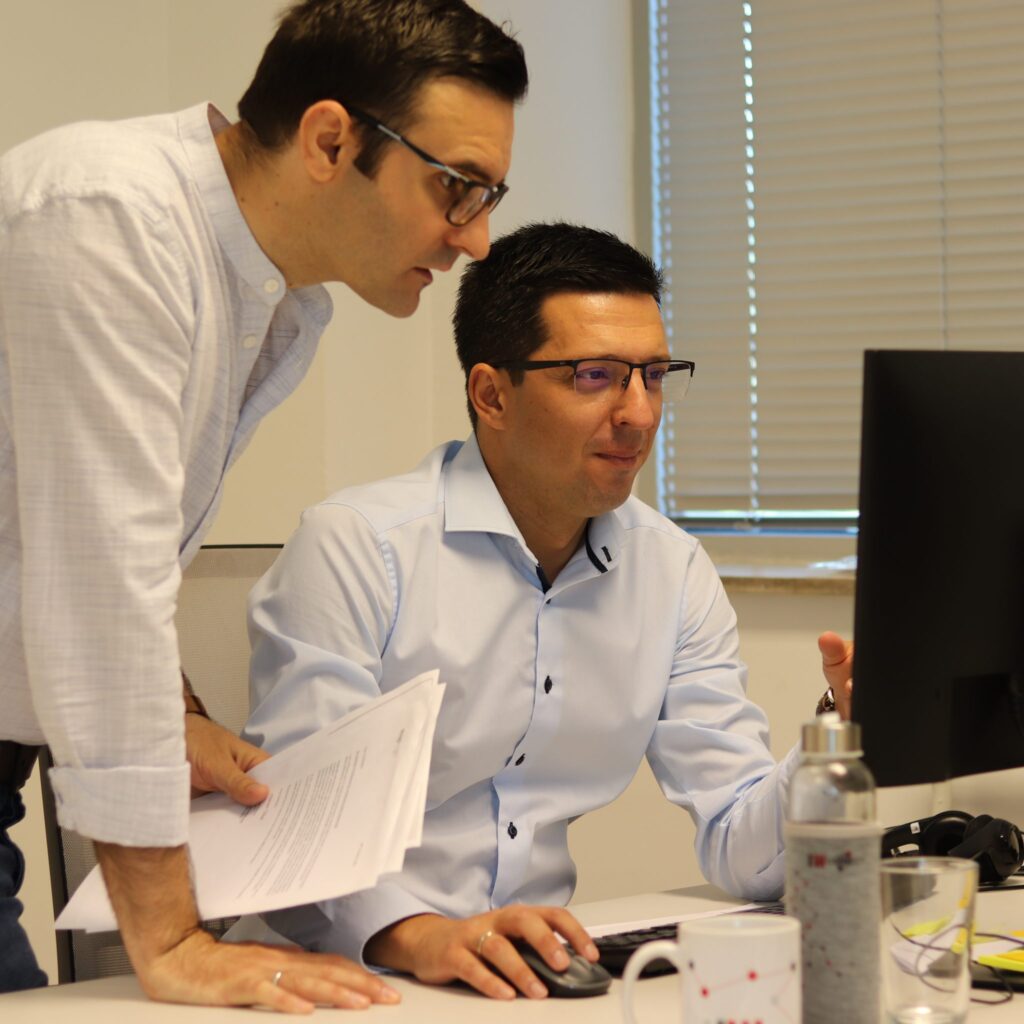
Darko: The biggest reality check was getting down to the level of the “machine.” Things are not always “pink” there. The IT and software development landscape has become extremely complex, with different technologies, architectures, cloud providers, frameworks, open-source components, licensing models, and many different roles in a team that deliver one enterprise project. Optimizing this machine to work smoothly and consistently is a real challenge. Another important lesson was that while we tend to strive for perfection, perfection can easily become a productivity killer. Learning when to push more and ask more, and when to step back, is a virtue every manager gradually learns and works to master. For me, that also meant learning how to motivate people through open and honest conversations, aiming for outcomes that feel like a win-win for both sides.
IWC: Over the past period you’ve been driving AI Strategy & Transformation. In simple terms -what does “AI transformation” actually mean day-to-day for our teams?
Darko: In simple terms, AI transformation means changing how work gets done, not just adding new tools. Day to day, it’s about teams using AI to move faster and reduce repetitive work. It affects how we design solutions, write code, analyze data, prepare proposals, and even how we communicate internally. In practice, it means training people to understand how to work effectively with copilots and get the most value out of them. And remember – they are and should stay copilots only.
It also means learning how to work with AI responsibly. Knowing what to delegate to AI, what must remain human-led, how to review outputs, and how to stay compliant and secure. For ⋮IWConnect’s employees, AI is no longer a side experiment, it’s becoming part of the standard way we deliver value
We’ve invested heavily over the past two years to reach this level: through training, presentations, showcases, hackathons, pilot projects, and by putting clear processes, security, and privacy principles in place. I’m genuinely proud of where we are today, both as an organization and in the market.
IWC: What do you learn when clients pay for AI solutions that have to actually work, not prototypes that look good in slide decks?
Darko: AI solution delivery is much harder than demos and prototypes. Clients don’t need impressive prompts alone; they need reliable, consistent, accurate, explainable, and secure solutions that fit into their existing systems and processes.
We’ve learned that data quality, context engineering, AI evaluation, and governance matter more than model choice. We’ve also seen that multidisciplinary teams are essential — engineering, data, cloud, quality control, security, and domain knowledge all need to work together. Setting clear scope boundaries and expectations upfront is critical as well, because AI always comes with a degree of uncertainty.
Most importantly, we’ve learned that trust is everything. This is still a relatively new field, and when clients clearly understand what they can realistically expect, how a solution will evolve, and how we will get there together, it gives them the confidence to invest and innovate. When clients trust how we design, govern, and operate AI solutions, adoption follows naturally.

IWC: Now that you’ve stepped into the Chief Operating Officer role. What changes in your focus — and what stays the same?
Darko: A lot actually stays the same. My passion for technology and innovation doesn’t change at all. I’ve always been close to solution design and delivery, and that remains my natural starting point.
What does change is the level and scope of focus. Moving into the COO role means stepping one level up from day-to-day oversight of execution and looking more at how the whole system works together. That includes aligning priorities across units, strengthening operational standards, improving decision-making and ownership, and making sure we are transforming and scaling in a sustainable way, especially as our AI initiatives grow.
I believe this focus will bring more clarity, consistency, and predictability into how we deliver. The goal is to reduce friction, help teams stay focused on what really matters, and create an environment where innovation can happen faster – in a controlled and reliable way.
IWC: If you had to pick one execution habit that makes the biggest difference in delivery, what would it be?
Darko: That’s a tough one. If you ask me on different days, I might give you a different answer. 😊 If I really had to pick, I would say clarity and ownership, but closely followed by short feedback loops and honest communication.
For me, delivery works best when there is a clear vision of what we want to achieve and who owns what. From there, I like to go into practical execution: breaking things down, planning the steps, communicating with everyone involved, setting milestones and realistic deadlines, and then simply tracking progress and adjusting when needed.
It’s nothing revolutionary, but I’ve seen many times that when people know the goal, understand their role, and get regular feedback, things tend to move forward much more smoothly.
IWC: What would you like every ⋮IWConnect colleague to feel more in 2026 , and what do you expect from leaders to make that happen?
Darko: For this answer I would go back to one of our core values: Absolute Fulfillment. I would like every ⋮IWConnect colleague to feel more fulfilled, both professionally and personally. Fulfilled in what they work on, how they grow, and how they see their own progress over time. I would like them to achieve this through Adventurous Growth, by being open to new challenges, learning from both successes and failures, and pushing their ambitions forward over time. And I want them to be happy, as always.
We live in a time where access to knowledge, tools, and opportunities is greater than ever, whether professionally or outside of work. Growth and Fulfillment does not come automatically, but it becomes achievable when people are supported, encouraged, and given space to grow in directions that matter to them.
In that context, leaders play a key role by leading through example , how they learn, set priorities, and share knowledge. Leadership is less about always having all the answers and more about creating safe environment and enabling others to grow. When that happens, everyone can achieve their goal and feel fulfilled.