Joining a new company – especially at a senior level – often comes with a mix of expectations, assumptions, and questions. Is the engineering culture really as strong as it sounds? Will collaboration and transparency exist beyond the interview process? And most importantly, will there be room to grow, contribute, and feel valued?
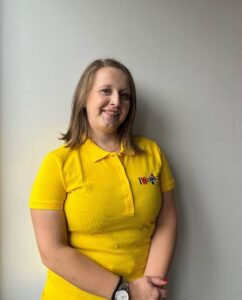
In this interview, one of our Senior Java Consultants, Katerina Koceva Boshkov, who joined the company just three months ago, shares her honest perspective on what attracted her to the role, how her expectations evolved, and what it’s really like to work within our Java practice. Her experience reflects both our commitment to people-first culture and the technical expertise we bring to our clients.
Joining the Company & Team Culture
How long have you been part of the team, and what attracted you to join our company at this stage of your career?
I’ve been with the company for about three months. I was attracted by its strong engineering culture, collaborative mindset, and clear focus on quality and continuous improvement. During the interview process, I also experienced open and transparent communication, which gave me confidence that I would fit into the team quickly and be able to make meaningful contributions from day one.
Looking back after three months, has your perception of the company changed in any way? What stands out as different from your initial expectations?
Before joining, I came across both positive feedback and some critical opinions online. That’s quite common for most organizations, and based on my experience, I believe a company can feel very different depending on individual circumstances. I decided that online criticism wouldn’t define my decision and that my own intuition deserved a chance.
It turned out to be the right call. After working here, it became clear how important it is to filter and contextualize what we read online. My direct experience has been largely positive and aligns closely with the strong engineering culture, collaboration, and openness I noticed during the interview process.
How would you describe the team culture and the way colleagues support each other, especially when joining as a new team member?
I would describe the team culture as collaborative, open, and genuinely supportive. As a new team member, I felt a strong willingness from colleagues to help, share knowledge, and offer guidance whenever needed. This made onboarding much smoother and helped me integrate quickly.
Questions are encouraged, collaboration is part of everyday work, and despite being here for only three months, I honestly feel like I’ve known my team for years.

From your perspective, how does the company invest in the growth and development of its consultants?
The company actively invests in consultants’ growth through clear and structured personal development, often guided by SMART goals. This approach helps align individual ambitions with team and company objectives.
Additionally, initiatives such as hackathons create space for experimentation, learning, and innovation beyond daily project work. These initiatives strongly support both technical and professional development.
Java Expertise, Projects & Client Perspective
Can you tell us more about the Java practice: its level of expertise, collaboration, and technical standards?
The Java practice brings together professionals with a wide range of experience – from technical consultants to lead technical consultants – which creates a strong environment for mentorship and knowledge sharing.
Collaboration is very active through discussions, code reviews, and shared initiatives. One great example is our work on proof-of-concepts, where team members jointly explore solutions, exchange ideas, and align on best practices. These initiatives help reinforce and continuously improve our technical standards, ensuring consistency, quality, and modern approaches across projects.
What truly stands out is the openness of colleagues and their willingness to help, regardless of seniority.
What kind of Java projects and clients does the company typically work with?
Given the level of experience within the Java practice, I wouldn’t say there is a single “typical” type of client. At the moment, many projects are within the energy sector, but the team also brings extensive experience from e-commerce, banking, finance, and legal domains.
I’m confident that we can successfully work across different industries. While each new sector may require time to understand specific business processes, the technical foundation and adaptability of the team make that transition very achievable.
From a client’s perspective, what value do they get by working with consultants from this company rather than just hiring “resources”?
Clients work with consultants who bring much more than technical skills. They bring ownership, accountability, and a strong problem-solving mindset.
Our consultants strive to understand the broader business context, propose well-thought-out solutions, and contribute beyond the immediate task. This means clients benefit from experience, best practices, and proactive communication – not just additional capacity.
If you were talking to a senior Java developer considering joining the company, what would you honestly tell them?
I would honestly say that, like anywhere else, there will probably be some things they don’t like – and that’s completely normal. I don’t believe there is a company that can fulfill every single expectation.
What matters here is that opinions can be openly shared, and most things can be discussed and worked through together.
Looking ahead, what makes you excited about your future here?
I’m excited about the opportunity to apply my existing knowledge while also continuing to deepen it and learn new things. Throughout most of my career, I worked on finance-related products, and now I have the chance to explore other sectors and learn different business processes.
That combination of continuity and growth is what I value the most.
More Than a Role, a Working Environment
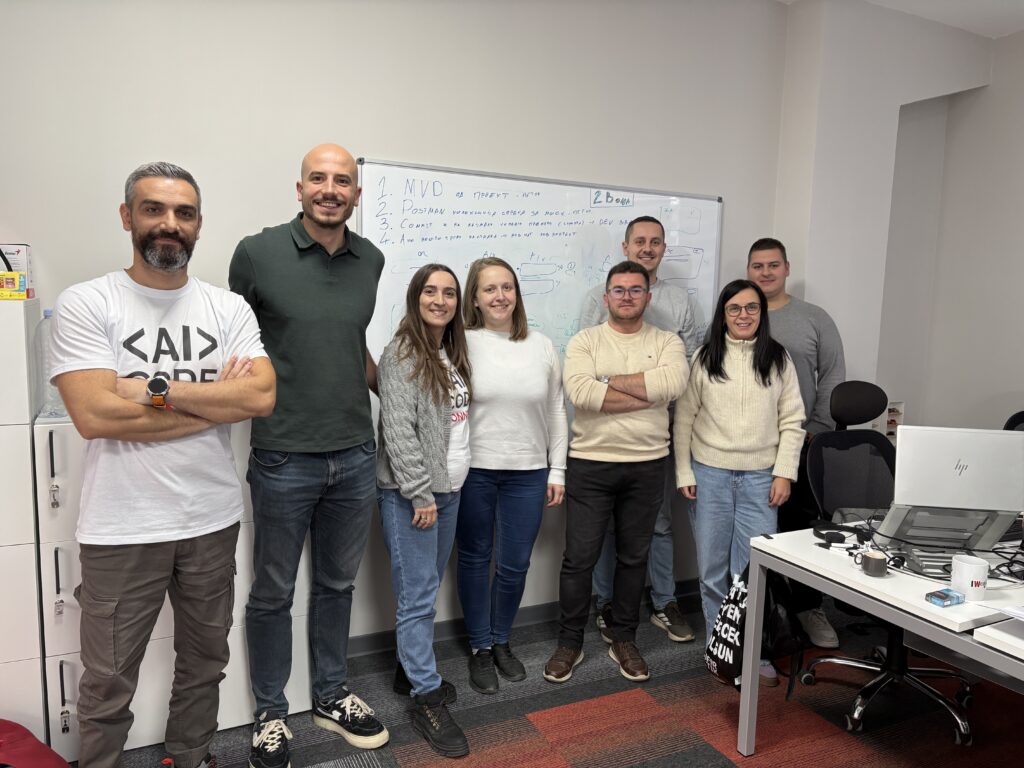
Katerina’s experience offers a clear, grounded picture of what everyday work in our Java practice actually looks like – from the way teams collaborate and share knowledge to how consultants are trusted to take ownership and grow.
Rather than big promises, it’s the small, consistent things that shape the experience here: openness in communication, support during onboarding, space for learning, and a strong focus on quality engineering. Over time, those elements create an environment where both people and projects can evolve naturally.
If you’re an IT professional curious about how this kind of environment might fit your next career step, you can explore our open roles on the Careers page.