
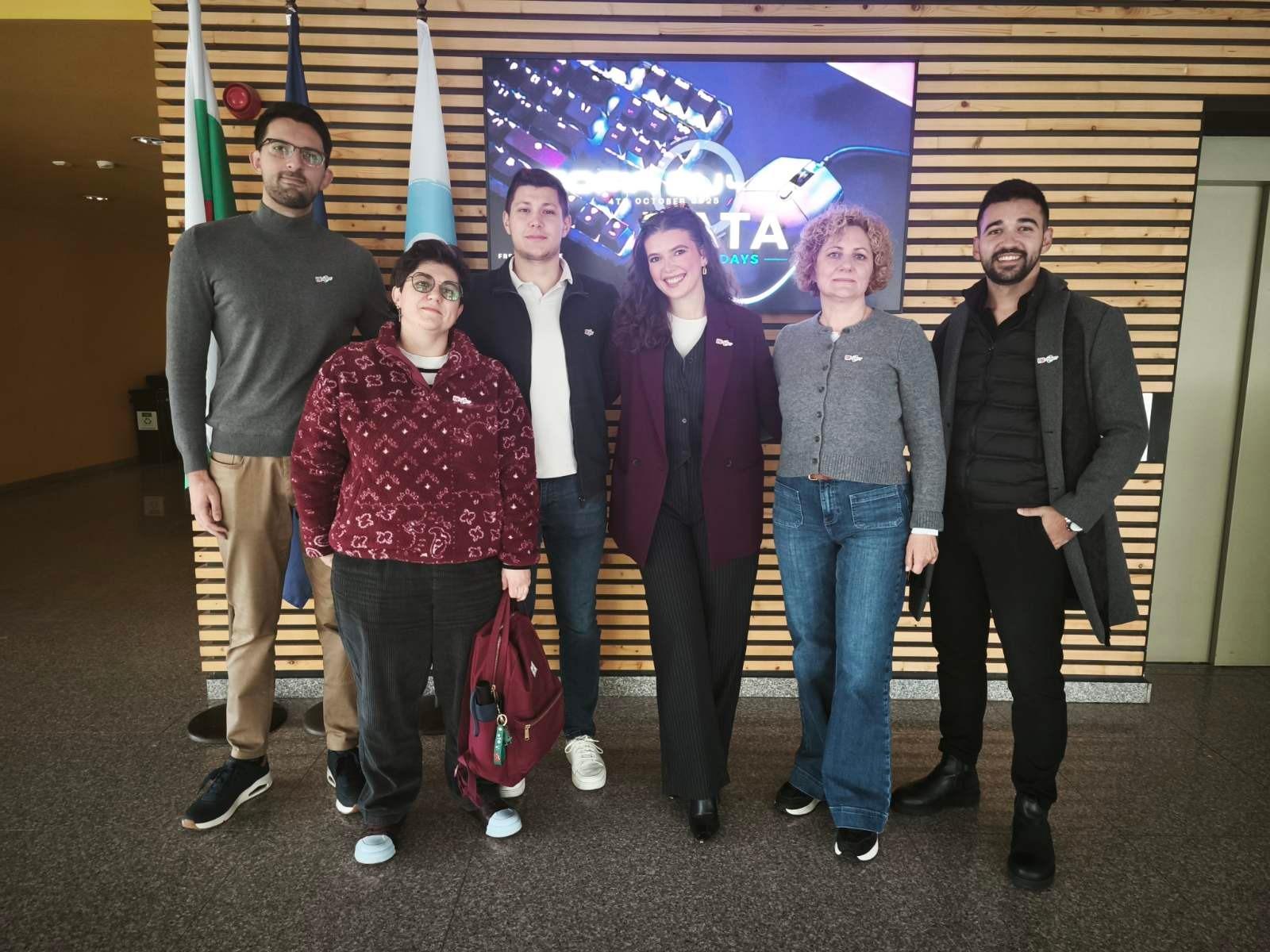
February 11 marks International Day of Women and Girls in Science. We’re celebrating by sharing the story of Maja Soleska, Lead Technical Consultant in Data Management at ⋮IWConnect.

Twenty years ago, Maja Soleska walked into her first Data Warehouse project under Oracle Slovenia’s leadership. She had no idea it would become the foundation of a career spanning technical architecture, team leadership, and data strategy.
Today, she is one of the leaders in our Data Management practice at ⋮IWConnect. We sat down with her to talk about her path, what makes a great data engineer, and why the field needs more women.
Where It All Started
“My journey into data began in 2003,” Maja recalls. “That DWH project was my first hands-on exposure to analytical systems and data-driven decision-making.”
What followed wasn’t a straight line. Maja moved through OLTP systems, where reliability and performance were non-negotiable. She took on technical lead roles. Project management came next. Each step added another layer to her understanding of how data actually drives business outcomes.
“That combination of deep technical expertise, data experience, and project leadership taught me something important,” she says. “Success in data projects isn’t just about technology. It’s about aligning data, people, and business goals.”
The Moment Everything Changed
Ask any seasoned professional about their career-defining moment, and you’ll usually hear about a promotion or a big win. Maja’s answer is different.
“The most significant impact came when I transitioned from pure technical work to leading entire deliveries. I owned architectural decisions, team direction, stakeholder communication, timelines. Everything.”
That shift from contributor to leader changed how she approached every project afterward.
“It taught me to bridge technical expertise with strategic execution. That’s been a game-changer for every project I’ve led since.”
What Data Engineering Actually Means
When we asked Maja to explain data engineering to someone without a tech background, she reached for a kitchen metaphor.
“Think of data as ingredients for a recipe. Some come from internal systems like sales records. Others come from external sources like social media. Just as you need to clean walnuts, measure flour, and prepare everything before cooking, data engineers clean, organize, and combine data from various sources.”
The result? Analysts and data scientists can “cook up” insights that actually mean something.
Why Businesses Can’t Ignore Data Anymore
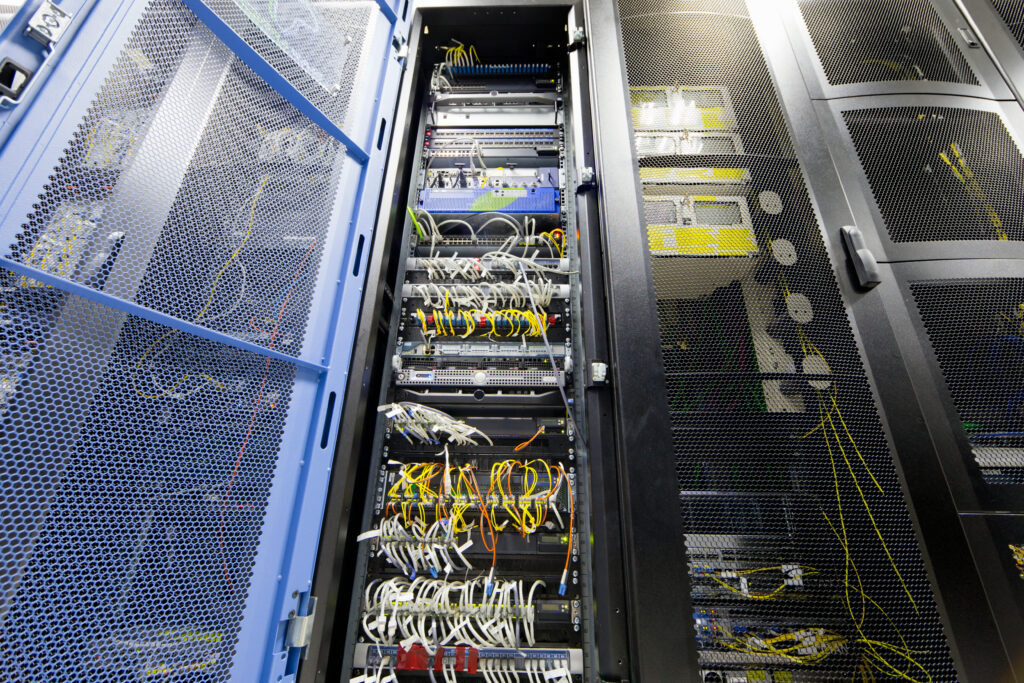
“Data serves as a roadmap for a business,” Maja explains. “Without it, decisions rely on guesses or assumptions.”
When companies have accurate, organized data, they understand where they stand. They spot opportunities. They navigate challenges before those challenges become crises.
“In essence, data helps businesses make smarter, quicker, and more confident decisions.”
How AI Is Reshaping the Field
The role of data professionals is changing fast. Tasks that used to eat up hours, like data cleaning, transformation, and basic analysis, are increasingly automated.
“AI is shifting our emphasis from manual processing to strategic insights,” Maja notes. “This lets data engineers focus on designing advanced architectures, solving complex problems, and facilitating informed business decisions.”
The grunt work is shrinking. The strategic work is expanding.
What Makes a Great Data Engineer Today
According to Maja, technical skills are just the entry ticket.
“A great Data Engineer combines technical expertise, problem-solving skills, and an understanding of business needs.”
The technical side is what you’d expect: building and maintaining pipelines, working with databases, cloud platforms, and ETL tools. But that’s not enough anymore.
“You need to grasp the business context. Which data is valuable? How will it be used? What insights are required?”

And then there are the soft skills: collaboration, clear communication, working closely with data scientists and analysts and stakeholders who speak different professional languages.
“With AI and modern analytics evolving so fast, adaptability matters more than ever. You have to commit to continuous learning.”
Leading a Data Team
What does it actually look like to run a data team? Maja describes it as constant balancing.
“You’re guiding engineers, analysts, and sometimes data scientists to deliver clean, reliable, actionable data. Projects need to finish on time and align with business needs.”
A good leader sets priorities, encourages collaboration, mentors team members, and clears obstacles so the team can focus on solving complex problems.
“But it’s also strategic thinking. Which tools, architectures, and processes will scale? How do you maintain quality, governance, and security?”
The ultimate goal: transforming raw data and skilled people into insights that create real business impact.
Building the Right Team
When Maja builds a team, she looks beyond technical checklists.
“I focus on creating a balance of skills, mindset, and collaboration. Technical expertise is necessary, but I also need people who are curious, adaptable, and willing to learn.”
Team chemistry matters. Open communication. Mutual support. Shared ownership.
“And mentorship is critical. Every team member should have resources and opportunities to grow, take on new challenges, and develop new skills.”
Her definition of a successful team? “Diverse talents that unite, complement each other, and work together to deliver high-quality data solutions that positively impact the business.”
Why Data Needs More Women
We asked Maja about the importance of gender diversity in Data and AI. Her answer was direct.
“When teams with varied perspectives create Data and AI systems, those systems become more accurate, ethical, and reflective of our world.”
Women bring different experiences and problem-solving approaches. That reduces bias and improves the quality of data-driven solutions.

“From my experience leading technical and data teams, diverse teams spark innovation, improve communication, and deliver remarkable results.”
“We need to inspire more women to enter Data and AI. This isn’t just about representation. It’s about shaping smarter systems, making better decisions, and building technology that serves everyone.”
What’s Coming in Data
Maja sees five trends shaping the next five years:
- Cloud and hybrid platforms will continue their expansion. More companies will move data to environments that enable scalability, faster processing, and easier access.
- AI and machine learning integration will go beyond analysis. AI will help automate data engineering itself, detect patterns, and deliver predictive insights at scale.
- Real-time data will become standard. Businesses will rely on live streams for instant insights, especially in customer experience, IoT, and operational monitoring.
- Governance and privacy will tighten. With growing data volumes and stricter regulations, strong security and ethical data use will become non-negotiable.
- Data democratization will spread. Tools that make data accessible to non-technical users will keep growing, empowering more people to make data-driven decisions.
“The future of data will be defined by speed, intelligence, security, and accessibility,” Maja says. “Businesses will act on insights immediately rather than looking back retrospectively.”
The Future of ⋮IWConnect’s Data Practice
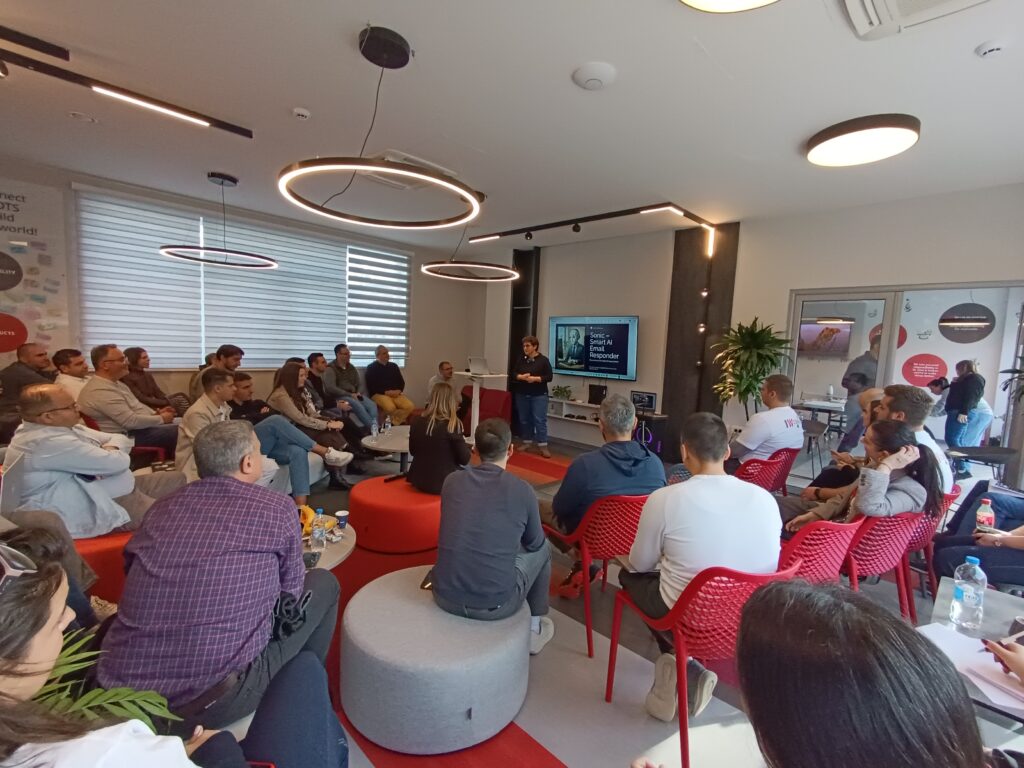
“I believe our future will be defined by faster, smarter, and more integrated solutions,” Maja says. “Teams will prioritize real-time insights, AI-driven analytics, and self-service platforms.”
Governance, security, and quality will intensify. Insights need to be trustworthy and compliant with evolving regulations.
For ⋮IWConnect’s teams specifically? “The future is about collaboration, continuous learning, and adaptability. Data professionals must stay ahead of emerging technologies, build strong partnerships with business stakeholders, and take on strategic roles in driving business outcomes.”
The vision is clear: “A data-driven organization where people, processes, and technology work together to deliver exceptional value.”
Join Our Data Management Team
Maja’s story is one example of what’s possible when curiosity meets opportunity. Our Data Management practice is growing, and we’re looking for people who want to build something meaningful.
We’re hiring: If you’re a data engineer, or aspiring data professional who wants to work on real problems with a team that values growth and collaboration, check out our open positions.
[View Open Positions in Data Management →]
This article is part of our celebration of International Day of Women and Girls in Science. At ⋮IWConnect, we’re committed to building diverse teams that create better solutions.